

You’ve probably heard the same social media tips over and over. “Post consistently.” “Engage with your audience.” But you already know that. What you really need are specific social media tips you can use right now to grow your business.
This guide skips the basic stuff. Instead, you’ll find practical strategies you can start using today. By the end, you’ll know exactly how to grow your presence and connect with your audience.
Quick Answer
The most important social media tips are:
- Pick one or two platforms to focus on
- Post consistently on a schedule you can maintain
- Create 80% value content and 20% promotional content
- Respond to every comment and message quickly
- Track your results and adjust based on data
TL;DR
To succeed on social media, you need a clear plan, helpful content, and real conversations with your followers. Focus on one or two platforms where your audience hangs out. Don’t try to be everywhere at once. Track what works, adjust your approach, and be patient. Building a loyal following takes time.
Key Highlights
- Start with strategy: Set specific goals before you create content. This way, every post you make serves a purpose.
- Quality over quantity: One great post beats five average ones. Your audience will notice the difference.
- Platform focus: Master one or two platforms first. Then you can expand to others once you’ve built momentum.
- Consistency matters: When you post regularly, your audience knows when to expect new content. Algorithms reward this too.
- Engagement is two-way: Reply to comments and messages. This builds trust and keeps people coming back.
- Data drives decisions: Look at your numbers regularly. They tell you what’s working and what needs to change.
- Authenticity wins: Be yourself. Your audience can tell the difference between genuine and fake.
Why Do Social Media Tips Matter for Your Business?
Social media marketing is the practice of using platforms like Instagram, LinkedIn, and Facebook to connect with your audience, build your brand, and drive business results.
Social media isn’t optional anymore. It’s where your customers expect to find you. They want to learn about your brand, ask questions, and read reviews before they buy. If you’re not there, they’ll find someone who is.
The numbers tell the story. As of 2025, there are 5.42 billion social media users worldwide, and the average person uses nearly seven different platforms each month (Sprout Social). Additionally, social media is the preferred way for consumers aged 18 to 44 to discover new products (HubSpot).
The real challenge isn’t whether to use social media. It’s about using it well without wasting hours every week. That’s where smart social media tips come in. They help you work faster and get better results.
What Happens When You Get Social Media Wrong?
Bad social media habits cost you more than just time. They can actually hurt your brand. For example, if you post inconsistently, people think you’re unreliable. If you ignore comments, they feel like you don’t care about them. And if every post is a sales pitch, they’ll unfollow you.
Research shows that 73% of social users will buy from a competitor if a brand doesn’t respond to them on social media (Sprout Social). Even worse, 70% of consumers will stop buying from a brand after just two poor service experiences (Emplifi).
Here’s the good news. You don’t need a big budget or a dedicated team to succeed. You just need the right approach and the willingness to stick with it.
How Do You Build a Strong Social Media Foundation?

Before you dive into tactics, you need to build a solid base. This foundation determines whether your social media efforts pay off or fall flat. If you skip this step, you’ll waste months doing things that don’t match your goals.
Define Your Goals Before You Post
Every post you create should have a purpose. Without clear goals, you’re just adding noise to crowded feeds. So start by asking yourself: what does success look like for your business?
Here are some common social media goals to consider:
- Brand awareness: You want more people in your target market to know who you are.
- Website traffic: You want to send visitors to specific pages on your site.
- Lead generation: You want to collect contact info from potential customers.
- Community building: You want to create a group of loyal fans who spread the word about you.
- Customer service: You want to help customers and answer questions publicly.
Pick one main goal and one backup goal. This focus helps you create content that actually moves the needle. When you try to do everything at once, you end up doing nothing well.
Know Your Audience Inside and Out
Generic content doesn’t connect with anyone. The best social media tips always start with knowing exactly who you’re talking to. The more you understand your audience, the more relevant your content becomes.
To get started, research your audience’s age, interests, problems, and online habits. Think about what challenges they face. Consider what questions they ask before making a purchase. Understanding your buyer’s journey helps you create content for every stage of the journey.
Next, use your platform analytics to see when your audience is online. Check which post types get the most engagement. You can also survey your current customers about their social media preferences. All of this data should shape your content decisions.
How to Create a Social Media Strategy in 5 Steps

A social media strategy is a plan that outlines your goals, target audience, content approach, and metrics for success across social platforms.
Step 1: Define Your Primary Business Goal
Choose one main objective, such as brand awareness, lead generation, or website traffic. This goal guides all your content decisions and helps you measure success.
Step 2: Research Your Target Audience
Learn their demographics, interests, pain points, and which platforms they use most. Create content that speaks directly to their needs and challenges.
Step 3: Choose One or Two Platforms to Focus On
Pick the platforms where your audience spends time. Master these before expanding to others. Spreading yourself too thin weakens your results.
Step 4: Create a Content Calendar With 80/20 Balance
Plan 80% value-driven content like tips, education, and entertainment. Reserve 20% for promotional content. Schedule posts in advance to stay consistent.
Step 5: Set Up Tracking and Review Metrics Weekly
Monitor engagement rates, reach, and conversions. Use this data to improve your approach over time. What gets measured gets improved.
What Content Works Best on Social Media?

Content is the fuel that powers your social media presence. Without valuable content, even the best strategy fails. These social media tips will help you create posts that truly connect with your audience.
According to Hootsuite, over 60% of successful social content aims to entertain, educate, or inform rather than directly promote products. And 78% of people prefer to learn about new products through short video content (Sprout Social).
Create Content That Stops the Scroll
Your audience scrolls through hundreds of posts every day. You have about two seconds to grab their attention before they move on. Strong visuals and catchy hooks make the difference between being seen and being skipped.
Here’s what makes content stand out:
- Bold visuals: Use high-contrast images, show faces, and include movement when possible.
- Strong opening lines: Start with a surprising fact, a question, or a bold statement.
- Clear value: Show your reader right away what they’ll get from your post.
- Easy formatting: Use short paragraphs, bullet points, and plenty of white space.
Try different content formats to see what your audience likes best. Some groups prefer educational slideshows. Others engage more with behind-the-scenes videos. Let your data guide your choices.
What Is the 80/20 Rule in Social Media Marketing?
The 80/20 rule in social media marketing means 80% of your content should educate, entertain, or inspire your audience, while only 20% should directly promote your products or services.
Nobody follows a brand just to see ads. Yet many businesses treat social media like a billboard. This approach kills engagement and stops your follower count from growing.
Value-driven content includes how-to guides, industry news, helpful tips, and fun posts. This type of content builds trust and shows you’re a helpful resource. As a result, when you do promote something, your audience is much more likely to pay attention.
Platform-Specific Social Media Tips
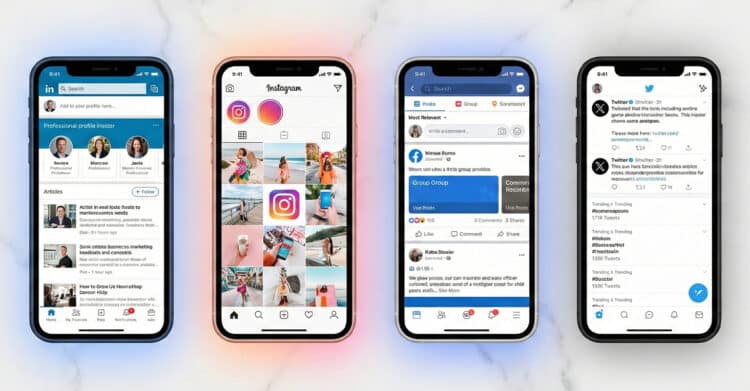
Platform-specific marketing means tailoring your content format, tone, and posting schedule to match what works best on each social network.
Each social platform has its own rules, audiences, and best practices. What works on LinkedIn often flops on Instagram. To get the best results, you need to adjust your approach for each platform.
| Platform | Best Content Types | Posting Frequency | Key Success Factor |
| Articles, industry insights, professional tips | 3-5x per week | Thought leadership and networking | |
| Visual stories, Reels, carousel posts | 4-7x per week | Strong aesthetics and authenticity | |
| Community content, videos, events | 3-5x per week | Group engagement and local focus | |
| X (Twitter) | Quick insights, threads, conversations | 1-5x daily | Timely responses and trending topics |
LinkedIn Best Practices
LinkedIn rewards professional content that starts conversations. Long posts with personal stories tend to perform well. Share lessons you’ve learned, industry observations, and real experiences from your career.
Additionally, engage with other people’s posts in meaningful ways. Thoughtful comments often get more visibility than the posts themselves. Connect with people in your industry and support their content. When you help others, they’ll help you back.
Instagram Strategies That Work
Instagram is all about visuals. High-quality images and videos are a must. However, authenticity now beats perfection. Your audience wants to see real people and genuine moments.
Right now, Reels get the most reach. Short, engaging videos can spread far beyond your current followers. Educational content, behind-the-scenes clips, and trending audio all work well in this format.
Facebook Engagement Tactics
Facebook’s algorithm favors posts that spark real conversations. Content that gets people talking to each other reaches more users than posts that only get likes.
To boost engagement, ask questions that invite discussion. Share things people want to comment on and tag their friends about. Create polls and interactive posts that make it easy for people to participate.
When and How Often Should You Post on Social Media?

Timing and frequency directly affect how many people see your content. If you post when your audience is offline, even great content gets missed. On the other hand, if you post too rarely, algorithms will show your content to fewer people.
Finding Your Optimal Posting Schedule
General best-time recommendations are just starting points. Your specific audience might be different from the average. Use your platform analytics to find out when your followers are most active.
Here are some general timing guidelines:
- LinkedIn: Tuesday through Thursday, 8-10 AM and around noon
- Instagram: Weekdays 11 AM to 1 PM, or evenings between 7-9 PM
- Facebook: Weekdays 1-4 PM, or weekends around noon
- X (Twitter): Weekdays between 9 AM and noon
Consistency matters more than perfect timing. Pick a posting schedule you can stick to for the long haul. One solid post per day beats three posts one day followed by silence the next.
How Do You Build Community Through Social Media Engagement?

Posting content is only half the job. True social media success requires genuine interaction with your audience. This back-and-forth communication turns casual followers into loyal community members.
According to HubSpot, 85% of social media marketers say building an active online community is crucial to a successful strategy. And 71% of people who have a positive customer service experience on social media will recommend that brand to others (Dreamgrow).
Respond Like a Human, Not a Brand
Stiff, corporate language kills engagement. People want to talk to real humans, not faceless companies. Develop a genuine voice that shows your personality while staying professional.
Speed matters too. Research shows that 76% of consumers expect a response on social media within 24 hours, with 33% expecting a reply within just one hour (Emplifi). Yet the average brand response time remains around 5 hours. Brands that respond faster stand out from the crowd.
Also, ask follow-up questions in your replies. This keeps conversations going and shows real interest. Thank people for sharing their thoughts. Address concerns publicly to show everyone that you care about customer satisfaction.
Organic vs. Paid Social Media: Which Should You Use?
Both organic and paid social media have their place in a complete strategy. The right choice depends on your goals, budget, and timeline. Here’s how they compare:
| Factor | Organic Social | Paid Social |
| Cost | Free (time investment only) | Requires advertising budget |
| Speed of Results | 3-6 months for traction | Immediate visibility |
| Best For | Brand building, community, trust | Lead generation, promotions, launches |
| Longevity | Compounds over time | Stops when budget stops |
| Targeting | Relies on algorithms and followers | Precise audience targeting |
| Trust Factor | Higher (earned attention) | Lower (paid attention) |
The best approach combines both. Use organic content to build relationships and trust. Use paid ads to amplify your best content and reach new audiences quickly.
Social Media Myths That Hurt Your Results

Many common beliefs about social media marketing are simply wrong. These myths lead businesses to waste time on the wrong things. Here’s the truth behind the most common misconceptions:
Myth: You need to be on every platform.
Truth: Focus on where your audience actually is. Being excellent on two platforms beats being mediocre on six. Spreading yourself thin dilutes your impact and burns you out.
Myth: More followers equals more success.
Truth: Engagement rate matters more than follower count. A small, engaged audience that buys from you is worth far more than thousands of followers who ignore your posts.
Myth: Posting more often always helps.
Truth: Consistency beats frequency. One high-quality post per day outperforms five rushed posts that don’t provide value. Quality always wins over quantity.
Myth: You should delete negative comments.
Truth: Responding professionally to criticism builds more trust than hiding it. Other customers watch how you handle complaints. A thoughtful response can turn critics into fans.
Myth: Social media results should be instant.
Truth: Building a real audience takes three to six months of consistent effort. Anyone promising overnight success is selling you something. Sustainable growth requires patience.
Myth: Automation can replace real engagement.
Truth: Scheduling tools help, but automated responses feel fake. People want to connect with real humans. Use automation for posting, but keep your replies personal and genuine.
Common Social Media Mistakes to Avoid

Even well-meaning marketers make mistakes that hurt their social media results. Knowing these pitfalls helps you avoid wasting time and money.
Spreading Too Thin
Trying to be on every platform weakens your impact. Master one or two platforms first. Focus your energy where your audience actually spends time.
Ignoring Analytics
If you don’t check your numbers, you’ll keep repeating the same mistakes. Conduct regular social media audits to identify what’s working.
Inconsistent Posting
Posting randomly confuses your followers and hurts your reach. Create a schedule you can maintain for months, not just days.
Over-Automation
Scheduling tools are helpful, but automated replies feel cold. Balance efficiency with genuine human interaction to build real relationships.
Copying Your Competitors
Getting ideas from others is fine. But copying them directly stops you from standing out. Develop your own unique voice instead.
Neglecting Community Management
Posting without responding to comments misses half the opportunity. Build relationships through consistent back-and-forth communication with your audience.
Core Concepts
What Are the Most Important Social Media Tips for Beginners?
If you’re just starting out, choose one or two platforms where your target audience spends the most time. Create a posting schedule you can realistically keep up with. Focus on providing value through helpful or entertaining content rather than constant sales pitches. Respond to comments and build real relationships with your community over time.
How Often Should Businesses Post on Social Media?
The best posting frequency depends on your platform and audience. In general, aim for three to five posts weekly on LinkedIn and Facebook. Post daily on Instagram. Post multiple times daily on X. Remember, consistency matters more than volume. A schedule you can maintain long-term beats aggressive posting you can’t keep up.
What Type of Content Performs Best on Social Media?
Content that teaches, entertains, or inspires usually beats promotional posts. Videos, especially short ones, currently get the most reach across all platforms. Authentic content featuring real people generates more engagement than overly polished corporate messages.
How Can Small Businesses Compete on Social Media Without Large Budgets?
You can compete by being authentic and focused on community. Big brands struggle to match the personal touch that small businesses offer. Reply to every comment and message promptly. Share behind-the-scenes content that makes your brand feel human. Join local community groups and conversations where your audience hangs out.
What Metrics Should You Track for Social Media Success?
Track numbers that match your specific goals. Awareness campaigns call for monitoring reach and impressions. Engagement success shows up in comments, shares, and saves. Traffic goals require measuring click-throughs to your website. Vanity metrics like follower count matter less than engagement rate and conversion numbers.
Final Thoughts
You don’t need viral posts or huge budgets to succeed on social media. You need to show up consistently, provide real value, and engage honestly with your community. Track what works and adjust based on what you learn.
Start with one platform where your audience spends time. Get good at it before you expand. Create a content calendar you can actually stick to. Treat every comment and message like it came from your most important customer.
The businesses that win on social media aren’t always the most creative or well-funded. They’re the ones that show up every day, give value freely, and treat their followers like real people.
Now it’s your turn. Pick one tip from this guide and put it into action this week. Then add another next week. Small, steady improvements add up to big results over time. Your future audience is waiting for you.
Frequently Asked Questions

How Long Does It Take to See Results From Social Media Marketing?
Most businesses start seeing real progress within three to six months of steady effort. You might notice quick wins, like increased engagement, within a few weeks. Bigger goals like major follower growth or increased sales usually take several months of consistent work. Patience and persistence matter more than any single tactic.
Should I Use the Same Content Across All Social Platforms?
Reusing content saves time, but copying it exactly often doesn’t work well. Instead, adapt your content to fit each platform’s style, tone, and audience. For example, a LinkedIn article might become an Instagram carousel or a thread on X. Keep your core message the same while changing the format.
How Do I Handle Negative Comments or Reviews on Social Media?
Always respond professionally and quickly to negative feedback. Acknowledge the concern, apologize if it makes sense, and offer to fix the problem privately. Don’t delete negative comments unless they break community rules. How you respond shows everyone whether you’re an ethical business.
Is It Worth Paying for Social Media Advertising?
Paid ads can speed up your results when organic reach isn’t enough. Start with small budgets to test what works before spending more. Ads work best when combined with strong organic content and community engagement. Don’t use ads to make up for a weak organic strategy.
How Many Hashtags Should I Use on Instagram Posts?
Instagram lets you use up to 30 hashtags, but five to fifteen relevant ones usually works best. Quality beats quantity here. Mix popular hashtags with smaller, niche-specific ones. Research which hashtags your target audience actually follows. Stay away from banned or spammy hashtags, as they can hurt your visibility.
What’s the Best Free Tool for Scheduling Social Media Posts?
Several good free options exist, including Buffer, Later, and Meta Business Suite. Most have free tiers with basic features. When you’re starting out, the built-in scheduling tools on each platform work fine. Once you’ve built consistent habits, you can invest in paid tools for more features.
How Do I Grow Followers Without Buying Them?
Focus on creating content that your target audience genuinely wants to share. Participate actively in relevant communities and conversations. Work with others in your niche through collaborations and cross-promotion. Make your profile easy to find in search results. Growing organically takes longer, but you’ll build a more engaged audience that actually cares about your content.
When Is the Best Time to Post on Social Media?
The best times depend on your platform, industry, and specific audience. General guidelines suggest weekday mornings and lunch hours for professional platforms. Evenings and weekends often work well for consumer-focused content. Check your platform analytics to find out exactly when your audience is most active.
What Is the 80/20 Rule in Social Media Marketing?
The 80/20 rule means 80% of your social media content should provide value to your audience through education, entertainment, or inspiration. Only 20% should directly promote your products or services. This balance keeps your audience engaged and prevents them from unfollowing you due to constant sales messages.
How Do I Know Which Social Media Platform Is Right for My Business?
Start by finding out where your target audience spends their time online. LinkedIn works best for B2B companies and professionals. Instagram and TikTok reach younger consumers with visual content. Facebook serves a broad demographic and local businesses. Choose based on your audience, not on the most popular platform.
What’s the Difference Between Reach and Engagement on Social Media?
Reach measures how many unique people saw your content. Engagement measures how many people interacted with it through likes, comments, shares, or saves. High reach with low engagement means people see your content but don’t find it interesting enough to act on. Focus on engagement rate as a better indicator of content quality.
How Do I Create a Social Media Content Calendar?
Start by deciding how often you’ll post on each platform. Then plan your content themes for each day or week. Include a mix of content types: educational posts, behind-the-scenes content, user-generated content, and occasional promotions. Use a spreadsheet or scheduling tool to map out your posts at least two weeks in advance.
Why Is My Social Media Engagement So Low?
Low engagement often occurs for several reasons. You might be posting at the wrong times when your audience isn’t online. Your content might be too promotional or not relevant to your audience’s interests. You might not be responding to comments, which discourages future engagement. Try posting more value-driven content and engaging actively with every comment you receive.
What Are the Best Free Social Media Management Tools?
Popular free options include Buffer (limited posts), Later (Instagram-focused), Meta Business Suite (Facebook and Instagram), and Canva (for graphics). Most tools offer free tiers with basic scheduling and analytics. For small businesses just starting out, native platform tools and a simple spreadsheet often work well enough before investing in paid software.